150 Years of Strömsholmen — The Roots That Shaped KALLER
KALLER has been in the cylinder sealing business since the 1950s, though the full KALLER history goes back even further. In 1876, on a small island in the Svartån River in Tranås, a blacksmith began shaping iron by hand. One hundred and fifty years later, the company he started is now a global technology leader whose gas springs are used by industry leaders across every continent. This is the story of Strömsholmen — and how its heritage of craftsmanship, engineering ingenuity, and persistence became the foundation of KALLER.

From Scythe Smith to Workshop (1876–1890)
The origins of Strömsholmen trace back to Anders Magnus Carlsson (1849–1919), a skilled scythe smith from Byarum in Småland. When the Eastern Main Line railway opened in 1874, Carlsson saw opportunity along the new industrial artery and moved to Tranås in 1875.
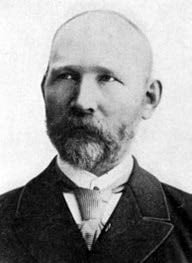
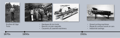
Anders Magnus Carlsson 1849-1919
In 1876, he established his first forge, crafting edge tools — especially scythes — with a reputation for quality that quickly spread. The so‑called “Tranås Scythe” became widely known, and Carlsson personally traveled to nearby markets to sell his products.
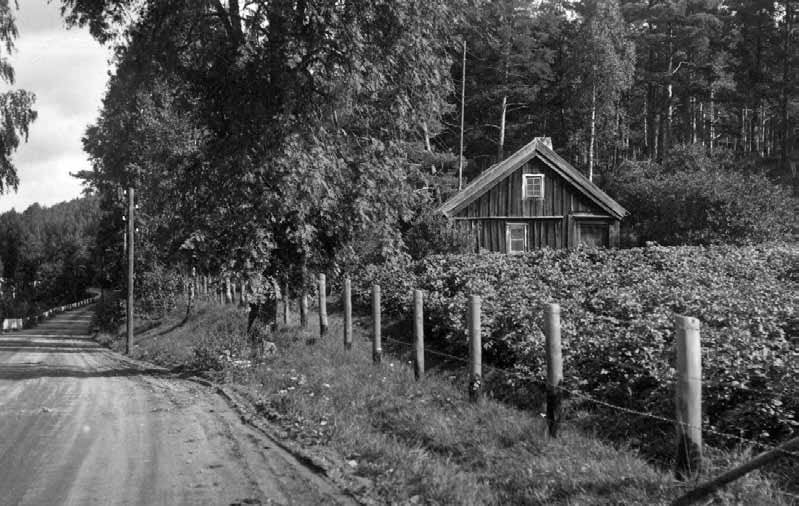
The forge where A M Carlsson started his business in 1874 still exists.
What distinguished Carlsson early on was not only technical skill, but an instinct for business. As demand grew, he brought his half‑brothers Carl Alfred Carlsson and Claes Karlsson into the operation, laying the groundwork for something more permanent than a rural forge.
The Birth of Strömsholmens Mechanical Workshop (1890)
In 1890, the operation moved to the small island of Strömsholmen, where it would give the company its enduring name: Strömsholmens Mekaniska Verkstad.
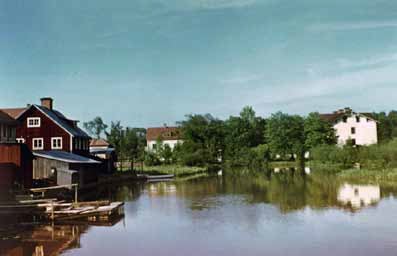
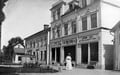
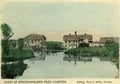
The third forge was located on the water (the white building).
This move marked a turning point. The company invested in machinery — a steam engine, iron lathe, and other production equipment — and expanded beyond forging into true mechanical manufacturing. It became Tranås’s first and only mechanical workshop.
Production included:
- Band and circular sawmills
- Steam boilers and engines
- Carpentry and sawmill machinery
- Repair work for industrial equipment and locomotives
Around a dozen skilled workers were employed, and Strömsholmen became a hub for small industries and craftsmen concentrated around the river.
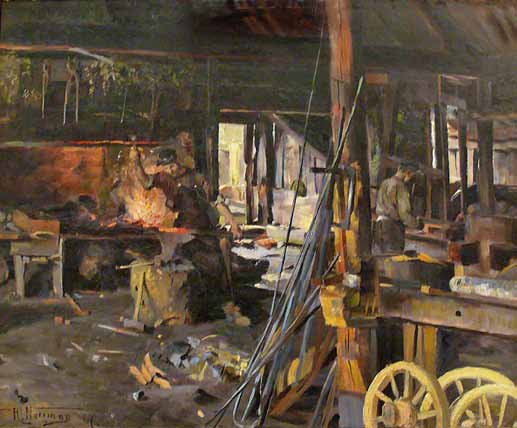
The Tranås artist Herman Norrman painted this oil painting in 1887, the motif of which is taken from the Carlsson brothers' blacksmith shop at the slaughterhouse bridge. It can be assumed that it is the 27-year-old Carl Alfred who is seen at the anvil forging a Tranåslie. The oil painting "Vagnssmedja" is owned by the Gothenburg Museum of Art.
Growth, Adaptation, and New Products (1900–1930s)
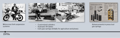
As Tranås industrialized, Strömsholmen evolved alongside it. In addition to workshop production, A. M. Carlsson operated a successful ironmongery business in town, expanding into new products such as bicycles as early as 1894.
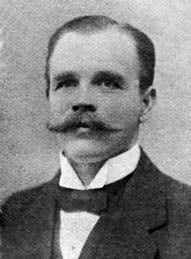
Efraim Carlsson, 1876–1950
After Anders Magnus Carlsson’s death in 1919, ownership passed to the next generation. In 1920, his son Efraim Carlsson took over the company, which had by then relocated again — this time to Kanalgatan, where a foundry was added.
During the interwar years, Strömsholmen manufactured:
- Gravel sorting plants
- Machinery for carpentry and sawmills
- Industrial repair and contract work
Despite changing markets and ownership transitions, one constant remained: an ability to adapt technology to practical, demanding applications.
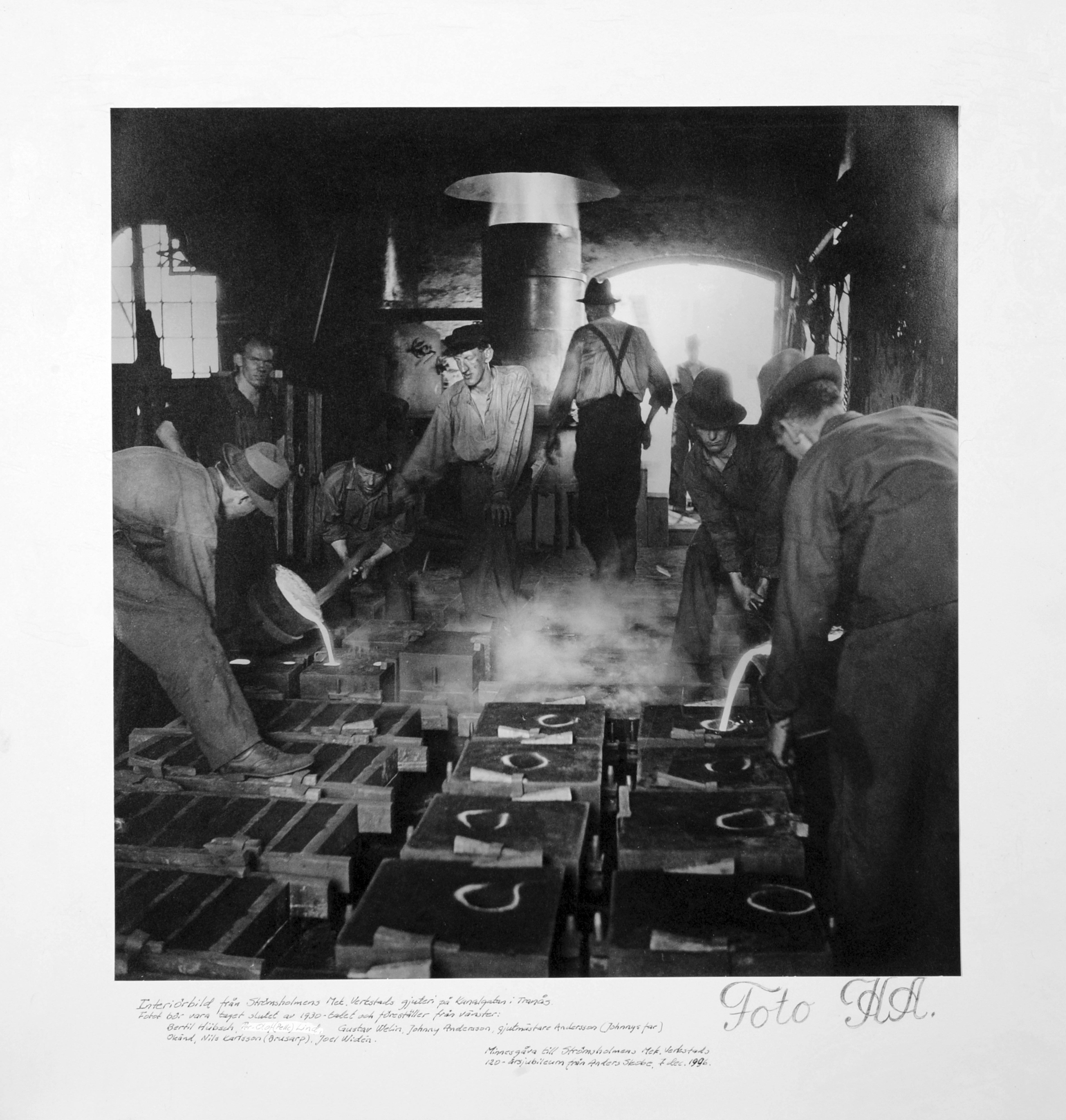
The foundry on Kanalgatan. From left: Bertil Hübsch, (Per-Olof Lind), Gustav Welin, Jonny Andersson, foundry master, V. Andersson (Jonny's father), an unknown, Nils Karlsson (Brusarp), Joel Widén. The picture is from the 1930s. The photo is a commemorative gift from the company's former owner Anders Skobe on the occasion of Strömsholmens Mekaniska Verkstad's 120th anniversary in 1996.
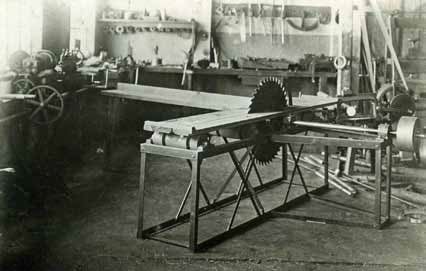
Interior photo from Kanalgatan. During the 1920s, machines were manufactured for the carpentry and sawmill industry.
Innovation Takes Shape: The GePe Coupling and Alwe Variator (1930s–1940s)
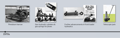
In the late 1930s, Strömsholmen introduced the GePe friction coupling, a robust, enclosed clutch system that found use across sawmills, dairies, metalworking, and engine installations. Rugged, easy to operate, and safe by contemporary standards, it became a backbone product for decades.
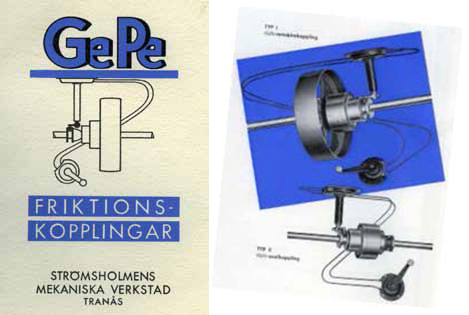
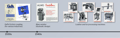
GePe Coupling
Shortly after, development began on another key innovation: the Alwe Variator, a continuously variable speed system with hydraulic control. By 1943, Alwe variators were being tested and delivered — and soon exported as far as South America.
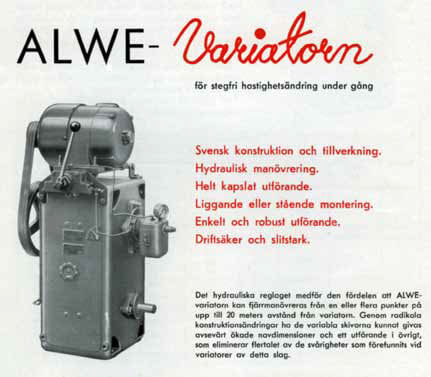
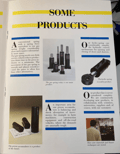
A catalog page of the Alwe Variator from 1944.
Even during wartime shortages, Strömsholmen continued investing in machinery, skills, and product development. By the mid‑1940s, the company employed around 35 people and maintained production across clutches, variators, foundry castings, and specialized machines.
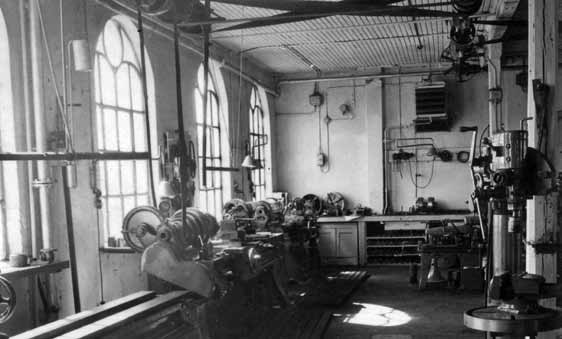
Interior view from Strömsholmens Mechanical Workshop, 1940s.
Post‑War Expansion and Engineering Breadth (1950s–1960s)
Following World War II, Strömsholmen entered a period of intense diversification. Products now included:
- Tranås loaders for tractors (introduced 1953)
- Hydraulic cylinders
- Straw choppers
- Military wire systems for target ranges
- Forklifts and lifting equipment
- Specialized machinery for the leather and fur industries
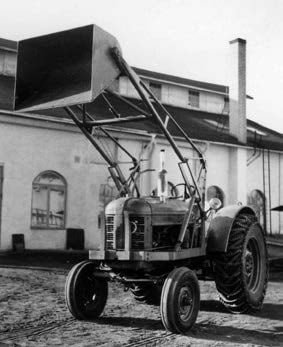
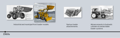
Prototype of the very first Tranåslastaren at the factory on Kanalgatan, 1953.
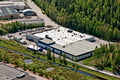
A new, modern factory was completed in 1965, designed for growth and efficiency. At its peak, the company employed around 65–70 people, with facilities deliberately built larger than current needs — a decision that would later prove crucial.
Hydraulic expertise deepened throughout the 1960s, particularly in custom cylinder manufacturing, laying an essential technical foundation for what was yet to come.
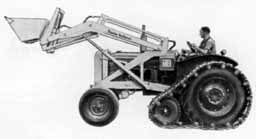
The Tranås loader mounted on a tractor with half-track equipment, delivering even greater load capacity.
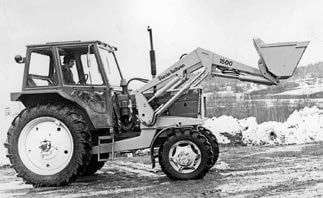
In 1967, a new detachable loader was introduced: the T-1500.
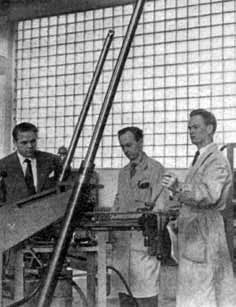
Stig Carlsson, shop manager Tore Kanebo, and the loader's designer, engineer Lars Berggren, gathered around the test bench where the loaders' capacity is put to the test.
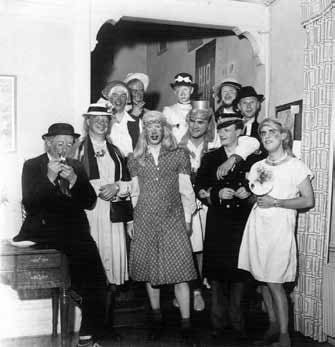
Staff theme party at tourist hotel "Furulid".
A Pivotal Partnership: Enter KALLER (1970s)
The early 1970s brought economic uncertainty — but also one of the most important decisions in Strömsholmen’s history.
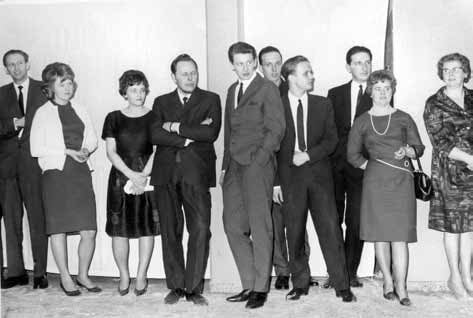
Strömsholmen staff party with their spouses, 1970's.
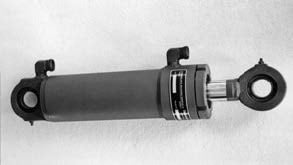
Hydraulic cylinder from Strömsholmen.
On September 10th, 1973, Electrolux purchased all shares of Strömsholmen Mekaniska Verkstad AB from Stig Carlsson. Strömsholmen Mekaniska Verkstad was then later placed under Överums Bruk which was owned by Electrolux.
From an Electrolux report:
"We’re working intensively on developing the gas spring and are continually discovering new applications. The fact that it still hasn’t found the use it truly deserves is simply because, in many ways, it was “ahead of its time” and hasn’t yet had the chance to become widely known. But I have no doubt it’s a genuine product of the future."
-Chief Design Engineer Sven Stenquist
Almost Lost — The Gas Spring’s Fragile Beginnings
Despite its promise, the gas spring did not enjoy instant success. When Överums Bruk acquired Strömsholmen in 1973, the focus was clear: expand plow production and build on the already profitable hydraulic cylinder business. The gas spring, however, was viewed with caution. It had few customers, unclear short‑term returns, and repeatedly appeared on internal agendas as a candidate for shutdown.
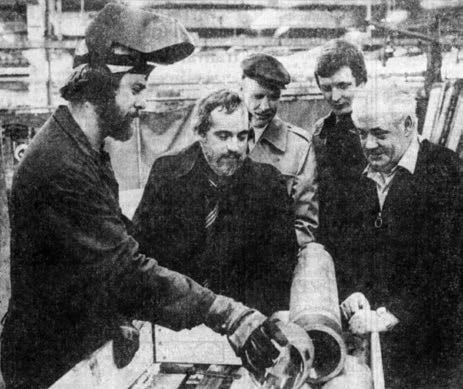
Kjell Fransson, left, discusses his work at the welding machine with Jan-Olof Olsson, P.K. Rusch, and Sven Stenquist from company management, along with union representative Asbjörn Fagerlund.
Thanks to the persistence of P.K. Rusch and Sven Stenquist, the gas spring was given time to mature. Year after year, its fate was narrowly deferred with the same pragmatic resolve:
“We’ll keep the gas spring for one more year, and then we’ll see if any new customers come along — but ideally, it shouldn’t cost a thing.”
In Electrolux Report No. 5, December 1976:
"Pistons and cylinders
Take a cylinder, put in a piston with an attached piston rod. Pump oil into the cylinder. Then you have a highly efficient and inexhaustible mechanical “muscle”. Pistons and cylinders are the common denominator for the main products – hydraulic cylinders, gas springs and front loaders for tractors – at Strömsholmens Mekaniska Verkstad AB, a wholly owned subsidiary of AB Överums Bruk since the autumn of 1973."
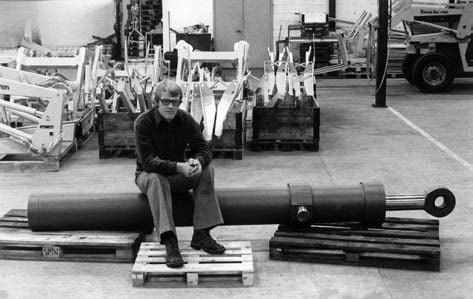
Krister Gustavsson Head of Design Engineering.
Enter Inventor Sigurd Kaller
A cooperation agreement was signed with inventor Sigurd Kaller, and development began on a gas spring unlike anything the market had seen. Early versions were used in agricultural applications — for example, protecting plows when striking stones — but the true breakthrough came later in the decade.
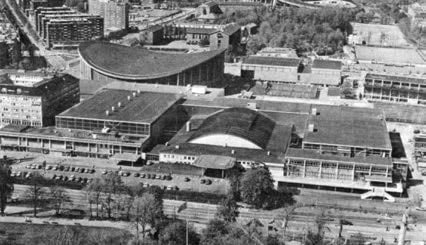
The Swedish Exhibition & Congress Centre halls in Gothenburg, seen from the air, 1978.
In 1978, at the Scanautomatic Trade Fair in Gothenburg, Strömsholmen presented its gas spring publicly for the first time. Among those who stopped to look was Volvo, whose press‑tool engineers immediately recognized its potential for automotive body production.
What followed was several years of intensive testing and development, including collaboration on sealing technology that resulted in the Siwax seal — enabling long service life under extreme pressures.
The 1980s — From Turning Point to Global Breakthrough
The early 1980s were a defining decade for Strömsholmen — and the moment when KALLER moved from promising technology to global reference.
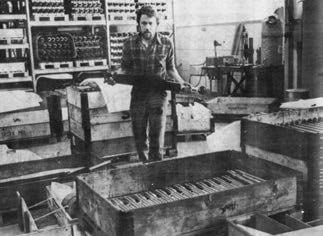
Tore Johansson packs up before the shipment heads to Germany by semi-truck to the Hannover Fair.
In 1981, Strömsholmen took its first major step onto the international stage by exhibiting at the Hannover Fair, one of the world’s most important industrial trade shows. It was an ambitious move, driven by belief in the gas spring’s potential beyond Sweden. Interest was strong, particularly from toolmakers and automotive manufacturers seeking more reliable spring solutions for press tooling.
At the same time, difficult but necessary decisions were made. Demand for tractor front loaders was declining as purpose-built machines took over the market. To protect long‑term employment and focus on future growth, Strömsholmen phased out production of the Tranås loader, concentrating instead on hydraulic cylinders and gas springs.
The real breakthrough came through close collaboration with Volvo. After extensive testing and development — including the introduction of the Siwax seal, which dramatically extended service life — the gas spring was approved in Volvo’s press tooling operations in Gothenburg and Olofström by 1982. That approval became the company’s strongest endorsement.
Once Volvo had validated the solution, global acceptance followed rapidly. Major toolmakers and automakers adopted the KALLER gas spring as their standard. By the mid‑1980s, gas springs had become Strömsholmen’s primary product, and older product lines were gradually discontinued.
Strömsholmen’s gas springs, which had nearly been shut down only a few years earlier, became the company’s future.
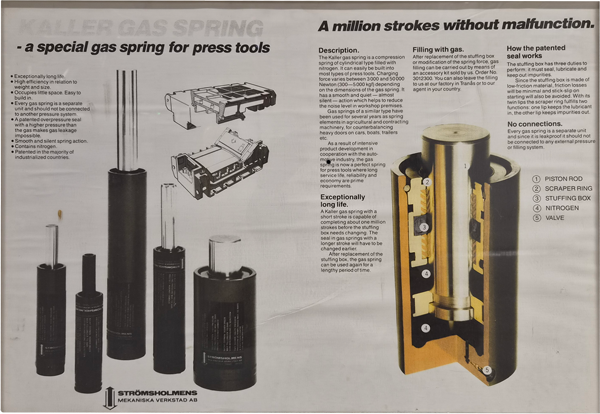
By 1982, the older product lines were being phased out. Since then, production consisted primarily of hydraulic cylinders and gas springs.
By the end of the decade:
- Gas springs dominated production
- Service life targets reached one million cycles
- Revenue had grown dramatically
- KALLER was firmly established as a global brand
Quality, Organization, and Global Trust (1990s)
With global demand rising, the 1990s were focused on strengthening structure, quality, and customer relationships — turning success into sustainability.
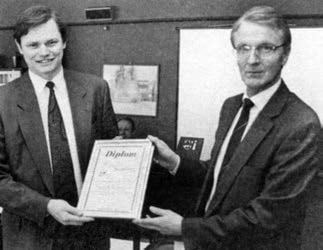
CEO Gunnar Sand (right) presents the certificate from ABB Robotics.
Under new leadership of Gunnar Sand, Strömsholmen sharpened its market focus and invested heavily in product development and organizational capability. A new Technical Customer Service function was created to help customers identify new applications and optimize performance — reinforcing KALLER’s reputation not just as a product, but as a partner.
Quality became a defining pillar. In 1991, Strömsholmen began the process of becoming ISO 9001 certified, implementing a quality system that covered the entire organization — from design and purchasing to production, testing, and delivery. This work culminated in certification shortly thereafter and further strengthened trust among global OEMs.
That trust was clearly recognized when ABB Robotics named Strömsholmen Quality Supplier of the Year in 1991, selecting the company from more than 400 suppliers. KALLER gas‑hydraulic balancing systems were helping industrial robots achieve safer, smoother, and more precise movements — extending the brand beyond automotive press shops into advanced automation.
At the same time, Strömsholmen’s international presence expanded. New partners, distributors, and new expansion regions around the world became a yearly growth factor for KALLER.
Mid-90s, Innovation Continued
Innovation remained a driving force behind Strömsholmen’s success. Under the Bright Euron project, in collaboration with leading metal forming companies, the first controllable gas spring (KF) was developed.
![KF1500-i-verktyg-[Converted].png](/siteassets/blog/kf1500-i-verktyg-converted.png)
KF 1500
This marked a significant step forward for the industry — enabling a new level of process control in stamping and metal forming. For the first time, force could be actively adjusted and optimized within the die, improving both precision and production consistency. The concept was groundbreaking, and its influence continues today.
Around the same time, Applications Engineer Per Nordvall introduced the Flex Cam. This innovative cam unit brought a new level of versatility to tool design, allowing multiple functions to be integrated into a single die while also enabling straightforward retrofitting into existing tools.
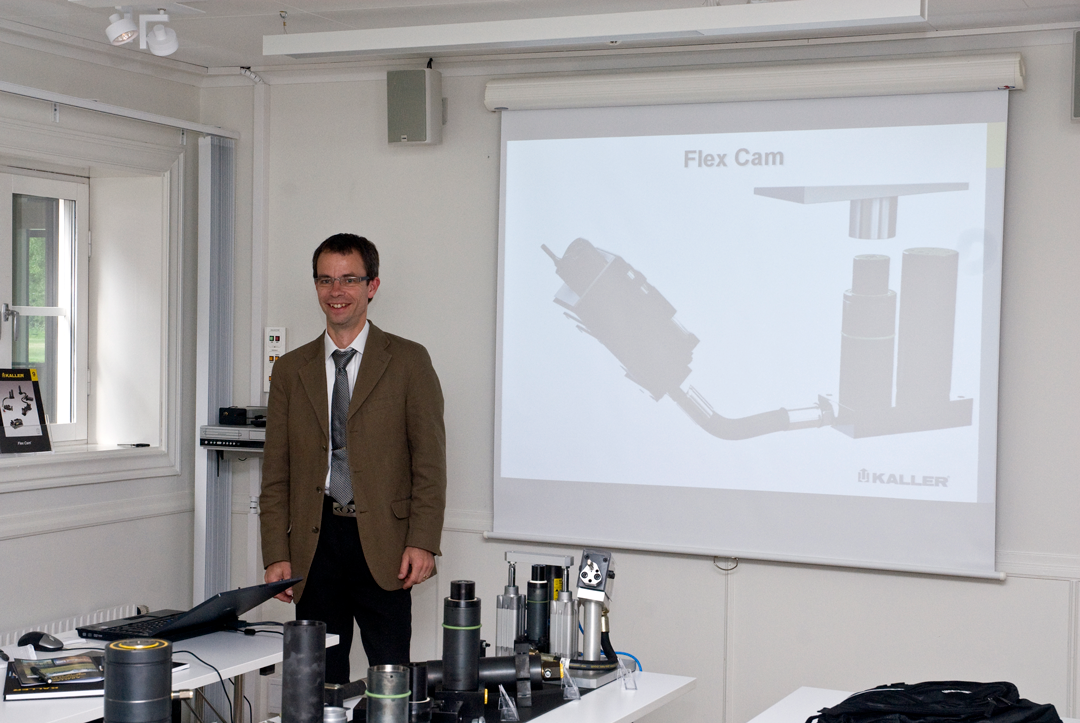
Per Nordvall presenting the Flex Cam
Together, these developments reinforced KALLER’s position not only as a product leader, but as a driver of innovation in press‑tool technology worldwide.
Expanding Globally, Scaling Innovation (2000s-2010s)
As KALLER strengthened its position as the global standard in gas springs, the 2000s marked a decade of international expansion and continued product evolution.
To support growing demand in key automotive markets, Strömsholmen established a presence in Asia. In 2003, operations began in China, initially with a small, dedicated team — a strategic first step into one of the world’s fastest‑growing manufacturing regions. This was followed by the opening of an office in South Korea in 2006, further strengthening the company’s footprint close to major automotive producers and tooling partners.
At the same time, product development continued to advance. During this decade, the KALLER X Series was introduced — a new generation of gas springs that would go on to become one of the company’s flagship product lines. Designed to meet increasingly demanding performance requirements, the X Series further reinforced KALLER’s reputation for reliability, precision, and durability in press tooling applications worldwide.
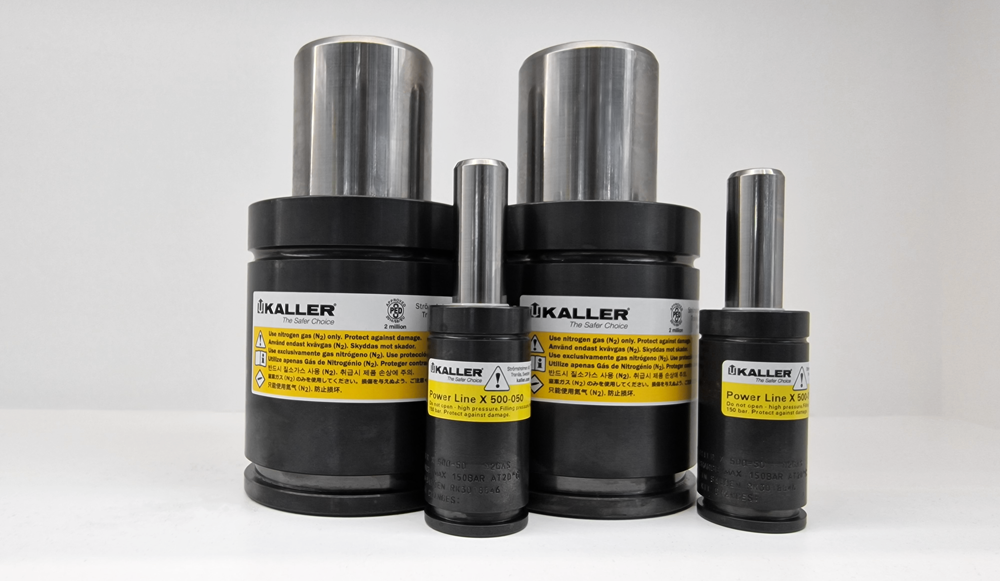
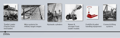
KALLER X Series Gas Springs
By the end of the 2000s, Strömsholmen had evolved from a strong European manufacturer into a truly global organization, with KALLER at the center — delivering advanced solutions, closer to customers, in every major industrial region.
Looking beyond its core business, Strömsholmen also began early development of suspension technologies in the late 2000s, and expanding its expertise in gas hydraulic suspension systems into the 2010s.
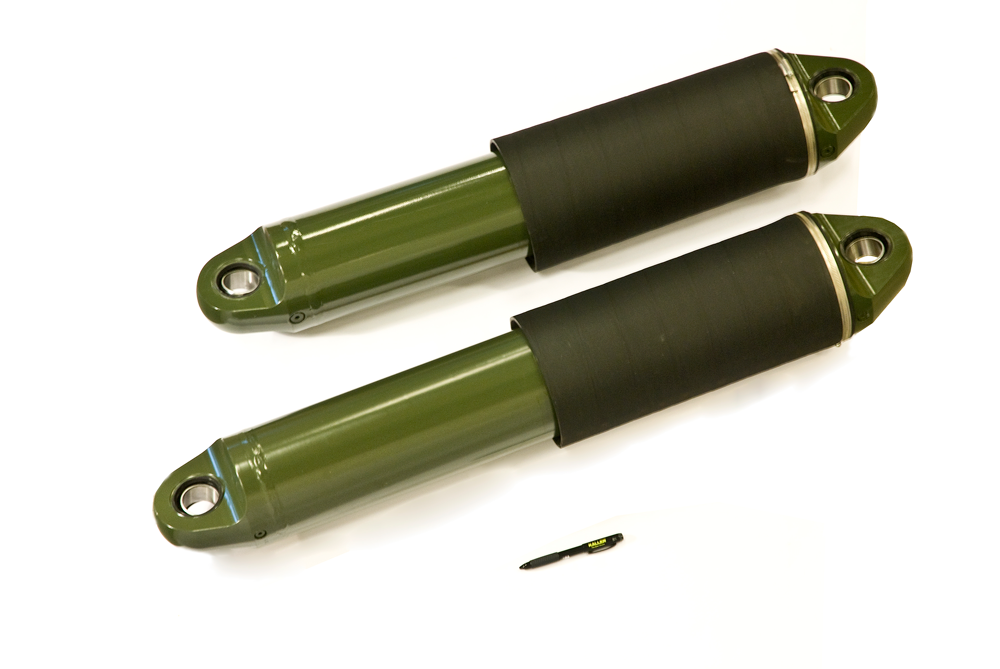
Early KALLER Suspension
Leading the Future, Built on Heritage (2020s-Today)
Entering the 2020s, Strömsholmen continues to build on nearly 150 years of engineering expertise — while actively shaping the future of gas spring technology.
The focus in recent years has been clear: continuous improvement and forward‑thinking innovation. New product lines and series have been introduced to meet evolving demands in press tooling, automation, and advanced manufacturing. At the same time, existing KALLER products have been further refined — with ongoing advancements in performance, durability, quality control, and operational safety.
These improvements are not incremental alone; they reflect a broader commitment to supporting customers in increasingly complex and high‑precision production environments. As tooling speeds increase and requirements become more demanding, KALLER solutions continue to evolve to deliver greater reliability, longer service life, and enhanced safety standards.
At a global level, Strömsholmen has strengthened its role as a central hub for both innovation and manufacturing. With a well‑established international presence and deep partnerships across the industrial sectors, the company today operates as an industry leader.
From its origins as a single forge in Småland, Strömsholmen has grown into one of the world’s leading designers and manufacturers of nitrogen gas springs and related systems.
KALLER — once a product fighting for survival — is now recognized worldwide as the industry benchmark.
And as the company celebrates 150 years, that same spirit that started it all remains unchanged:
a belief in craftsmanship, a drive to solve real problems, and the courage to invest in ideas whose full potential has yet to be realized.
More Strömsholmen History